Robert Axmann: “We need to show more progress with real use-cases.”

25. February 2026
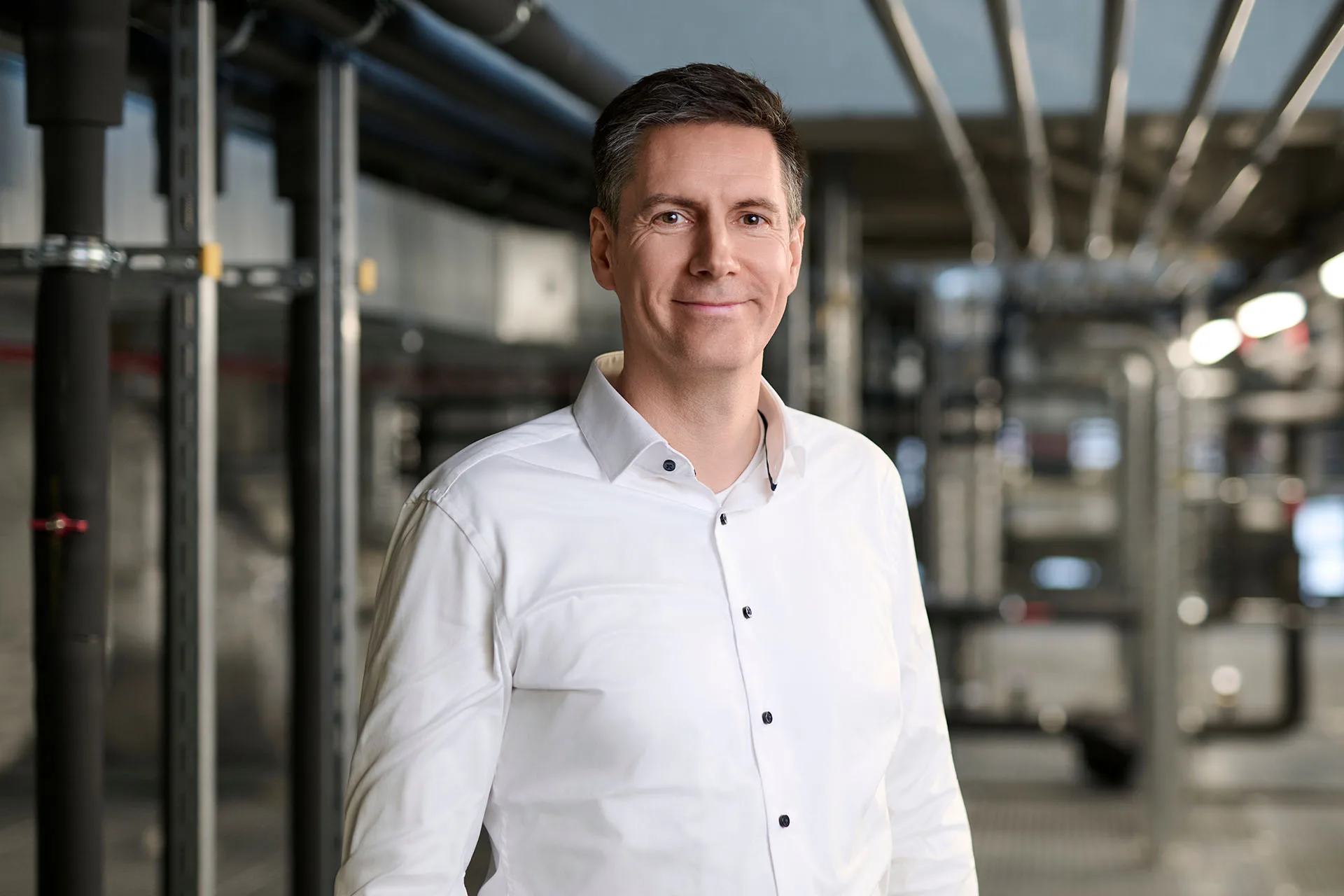
With the Hightech Agenda Germany, the Federal Ministry of Research, Technology and Space has made it clear in which direction the quantum computing ecosystem in Germany must develop. As DLR QCI with two innovation centres, 17 hardware projects, 65 industry-relevant use case projects and over 100 involved stakeholders and a successful community conference, we have a unique insight into the status quo of the quantum computing ecosystem. After AFQC 2025, we asked Robert Axmann, Head of DLR QCI, what he thinks the future holds for the ecosystem.

Robert, what is your AFQC conclusion?
Developing technologies is important, but we also need the framework conditions to make them work. Specifically, we need reliable funding, manageable governance, and confidence in their usefulness. This is exactly where we – and an effective funding policy – need to start.

There is plenty of money available: Germany alone has invested two billion euros in quantum computing in recent years!
That has had a real global impact. What we need now, however, are long-term roadmaps instead of short-term funding, and more flexible funding logics so that players can reliably plan, invest, and ultimately deliver.

The topic of “proof of usefulness” came up again and again in the workshops. Do we have a crisis of confidence?
No, this is mainly a sign that perceptions have changed. Technologically, we have made enormous progress. We know that quantum can work. What we need now is for the demand side to wake up. And this is where we need to show more progress, with real use cases and case studies that increase demand for quantum computing resources and strengthen the ecosystem in the long term.

What does that mean in concrete terms?
Our AFQC participants were very clear: short-cycle case studies and proofs of concept, validation by end customers, clearly communicated success stories, and easy access to hardware and platforms. This approach helps us not only to claim usefulness, but to demonstrate it in practice. But one thing is clear: the path from basic research to application is rocky and steep.

Someone said that we should evolve from technology push to market pull. What about the framework conditions?
I’m not the only one who immediately thinks of bureaucracy. Some participants said that administrative fragmentation and overhead cost a lot of time, money, and even credibility. Anyone who participates in government programs – and this applies across the entire quantum stack, from research groups to quantum departments in industrial companies –is familiar with this. There is also strong demand for fewer formalities, fewer reports, and shorter bidding phases. We have already accelerated the process considerably with the DLR QCI, but there is of course still a lot to do. We could make immediate progress by better integrating the ecosystem: bringing together research, start-ups, and industry, developing common standards and a shared language, and creating tools for ecosystem integration. At the AFQC, for example, platforms, matchmaking services, and a truly interdisciplinary, international talent pool were mentioned. This reduces frictional losses and increases speed.

We often talk about this type of collaboration internally, too. From the feedback at the AFQC, I know that this is a common wish among many participants, but that it is difficult in competitive practice.
I have noticed that as well. People who are in direct competition with each other – or who have to be very careful with their IP – are expected to work closely together. This creates knowledge silos, sometimes with significant overlap, which then compete with each other for scarce resources. It is incredibly important right now that we turn these competing approaches into scalable, market-relevant solutions more quickly. Here too, reliable, long-term government support can make things possible. Cooperation despite competition is difficult, but absolutely necessary.