Ion Traps
-
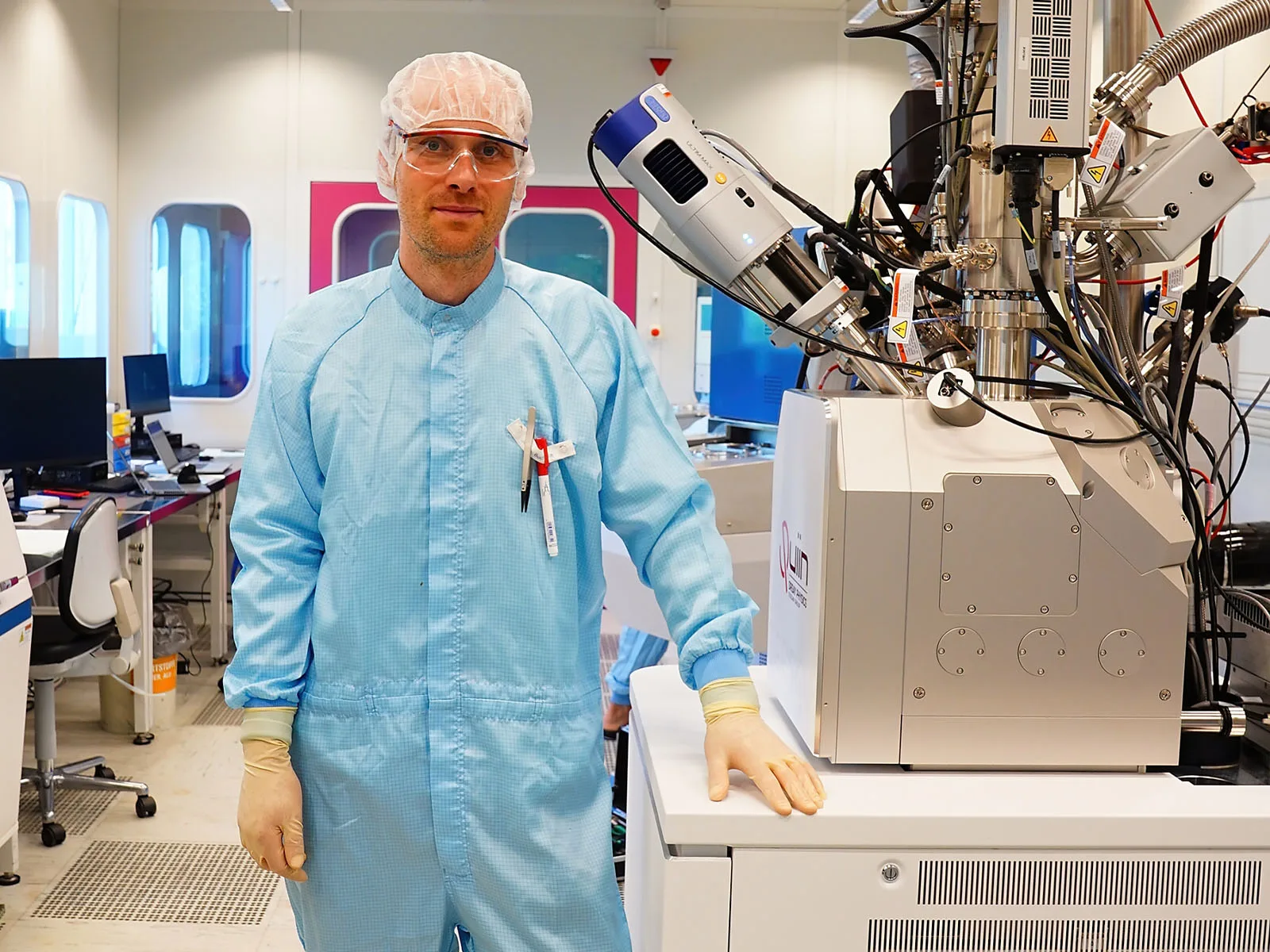
Jakob Buchheim on our Pilot Line for ion-trap quantum processors
“We set out to build more than just another cleanroom.” – Jakob Buchheim of DLR QT-IMN about building a user facility for highly specialised deep-tech start-ups at our Innovation Centre…
-

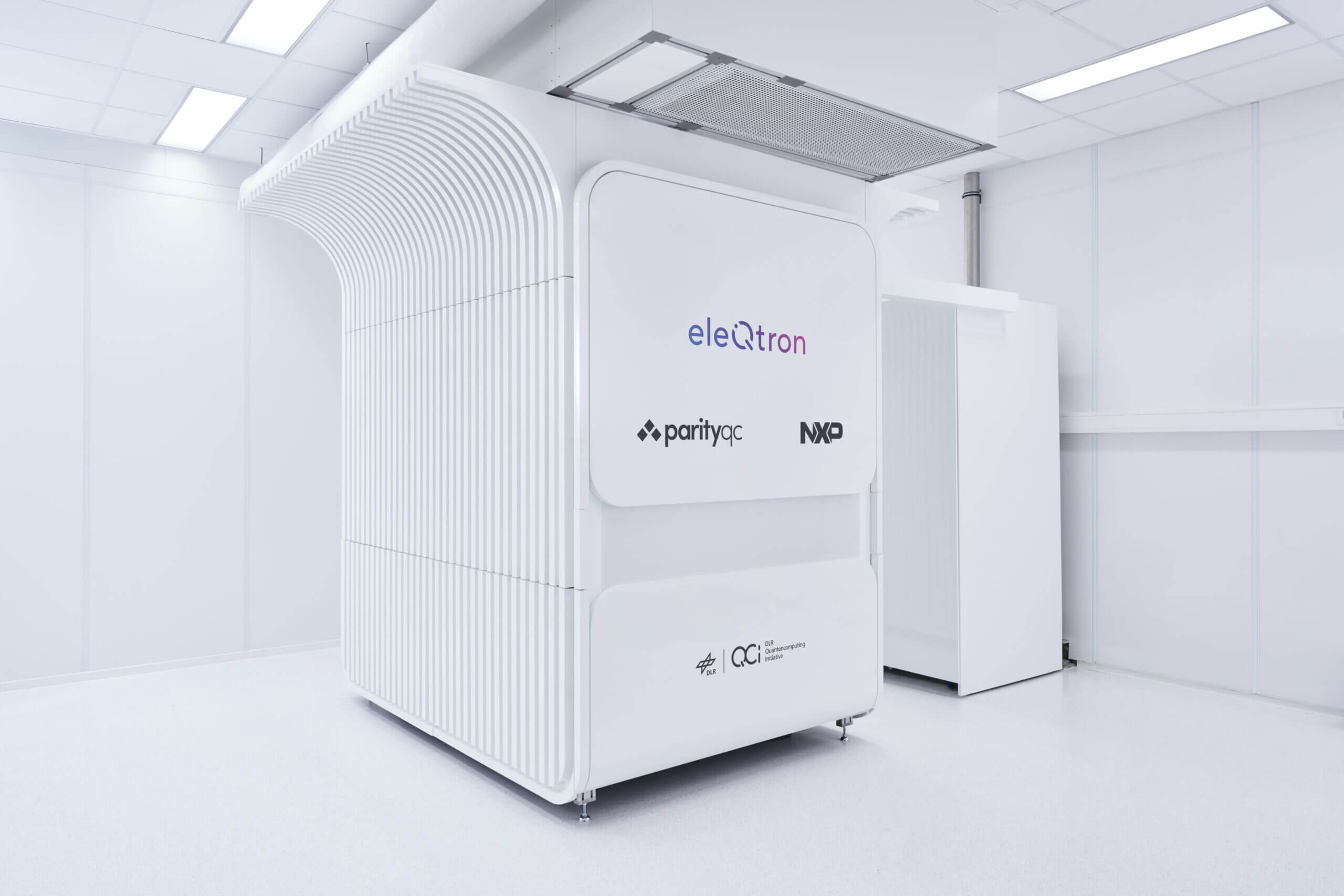
ParityQC supplies Digital Twin for QSea I
ParityQC from the QSea consortium has delivered a digital twin of the QSea I quantum computer demonstrator. This digital twin is now fully accessible via QCI Connect. It replicates all…
-
IFB funding for quantum computing project HQML
As part of a consortium consisting of DESY, eleQtron and ParityQC, we have received funding from the Hamburg Investment and Development Bank (IFB) for the Hamburg Full Stack Quantum Machine…
-
Project QSea I & II: Kick-off for a modular and scalable ion trap quantum computer from Hamburg
On the way to the industrial use of quantum computing, the scalability of quantum processors is one of the biggest challenges. With our ion trap project QSea II, we are…
-
Project Xaphiro: Kick-off for the ion trap consortium Qudora × NXP at the Innovation center Hamburg
Another big step for ion trap quantum computers from Hamburg: We are pleased about the joint kick-off with Qudora and NXP, who will build a prototype ion trap quantum computer…
-
TeufIQ
Improving the performance of ion traps through targeted technological development
-
QSea I
A 10-qubit quantum computer demonstrator based on ion trap technology
-
QSea II
We are building a modular and scalable quantum computer based on stored ion qubits.
-
Ion trap quantum computers from Hamburg: Kick-off with Universal Quantum
We are pleased to welcome our industrial partner Universal Quantum to the Innovationszentrum Hamburg and thus also to the QCI: Over the next four years, Universal Quantum will build two…
-
Legato
Building a fully scalably trapped-ion quantum computer with four chip modules
-
Toccata
A user-friendly, reliable and scalable quantum processor with at least 50 qubits
-
XAPHIRO
Developing a microfabricated quantum computer prototype with at least 50 fully functional qubits.
-
Startups and companies develop quantum computers based on ion traps
Charged atoms cannot escape from an ion trap, as they are confined by an electromagnetic field. A laser, radio waves or microwaves can then change the state of the charged…
-
Call for proposals to design quantum processors based on ion trap technology
Qubits based on ion traps are are a promising approach for quantum computing technology. The goal of this outreach is to procure ion quantum processor prototypes. As part of DLR’s…