Mierk Schwabe: “This is new and unexpected”

30. April 2026
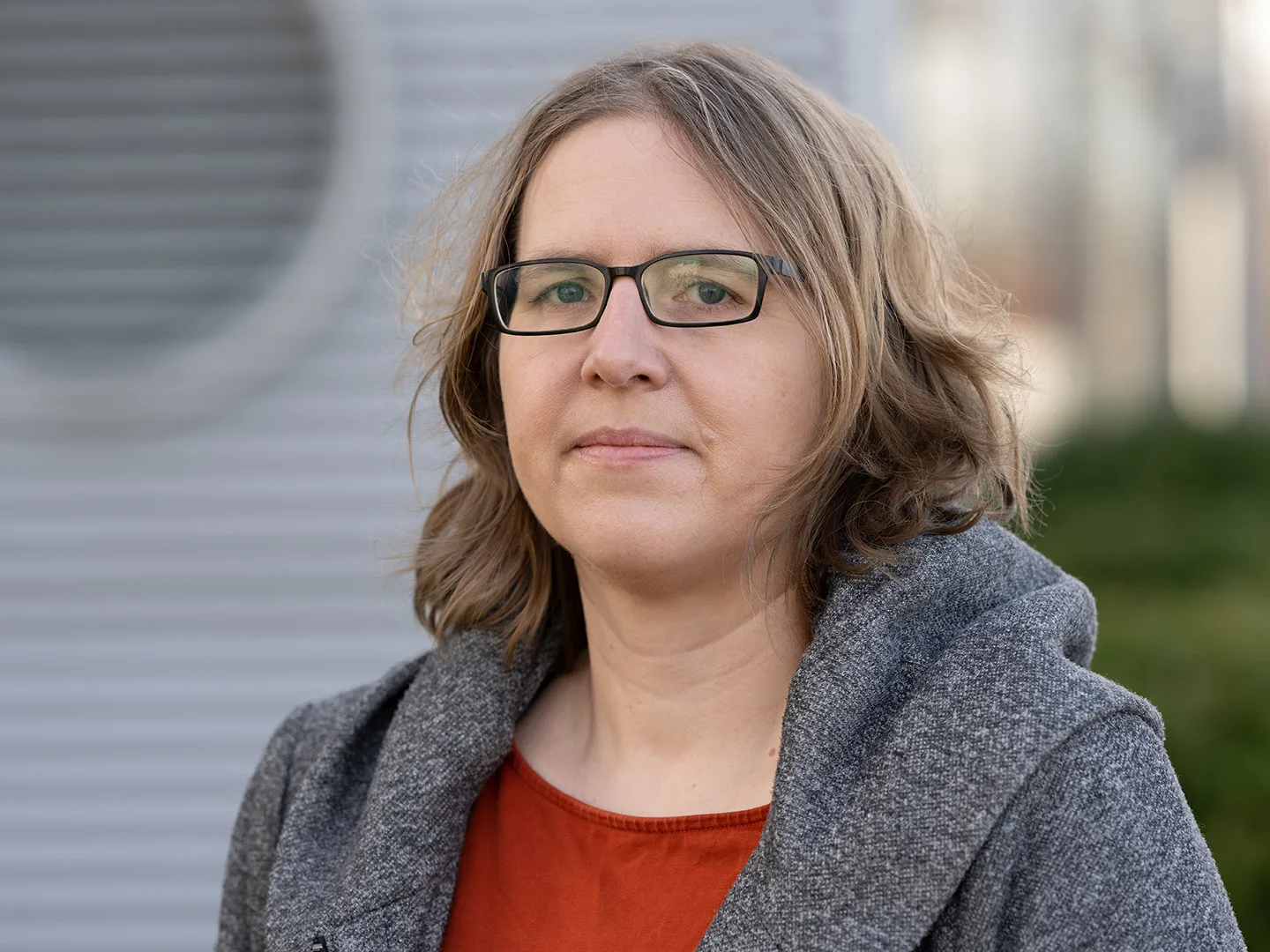
Typically, climate models cannot depict all processes in the atmosphere: How clouds form has so far been modelled using simple, but sometimes error-prone models. Climate QML utilises quantum machine learning methods to improve and accelerate such representations. By the end of this year, the DLR team wants to link a climate model with the first quantum components; for Mierk Schwabe, it is the first project involving industrial collaboration.

To what extent does your research at the DLR Institute of Atmospheric Physics benefit from close links with other institutes and industry?

We have already worked with the Institute for Quantum Technology in Ulm on quantum computing topics, as well as with the AI Institute. This is the first project that I have worked on in such close collaboration with industrial partners. It works really well: they are very interested and work very well on the project, we have regular meetings. It’s helpful when you can define exactly what you want: You are now working on the result and then we can incorporate it. We also have the goal in mind for the scientific work and work towards it.

And now that we are taking the next step with QCI Connect and moving onto hardware, it is of course also great to have the hardware manufacturers directly involved. The quantum computers themselves are only gradually becoming available and we haven’t yet benefited from them. But when they are available, it will be good to know who to contact directly.

What surprised you most recently in your research?

We already have evidence of the advantages of quantum machine learning (QML) compared to classical learning methods. But I was surprised that this was not at all in the area we had expected. For example, that the models train more robustly: The same architecture with slightly different initial conditions trains more robustly with quantum machine learning methods than with classical ones. And that is exciting and unexpected!

The Climate QML project will now run until 30 November. What happens after that?

It will be extended until the end of June 2027! The climate model with the first quantum components will probably be presented at the end of this year. So far, we have developed quantum components that are not yet coupled; we are now working on coupling them with the climate model. Then, of course, we have to evaluate this, compare it with the conventional model and apply it to our use case.

Although we don’t already have the direct improvement of the entire climate model, it is relevant for the entire field to prepare for this so that quantum computers can keep up with conventional computers in the future and also become better at some point. But it is also important because climate modelling in general is extremely relevant, for example to be able to make good predictions about the climate for the next century. That’s why I hope that the current phase will continue after the DLR QCI.

You also work as a group leader and supervise doctoral students. What motivates the young researchers?

They are all very motivated to improve these climate models. Of course, this is also an important problem, especially for younger people. And quite apart from the fact that quantum computing is of course totally exciting in and of itself, climate QML is another great application of it.

If you work with weather and climate models, can you actually still look at the sky without having your research directly in front of you?

We have just been to Japan for the CMIP Community Workshop 2026 in Kyoto and before that we visited someone at the university in Tokyo who also does quantum computing for climate modelling. It’s still a niche topic, so it was nice to meet fellow campaigners. And in Japan, we observed clouds over Mount Fuji: A very typical phenomenon of waves when the air flows over the mountain. Simply cool clouds. But I also understand what else is happening. That’s an additional, beautiful component.