

Innovation Centre
Ulm

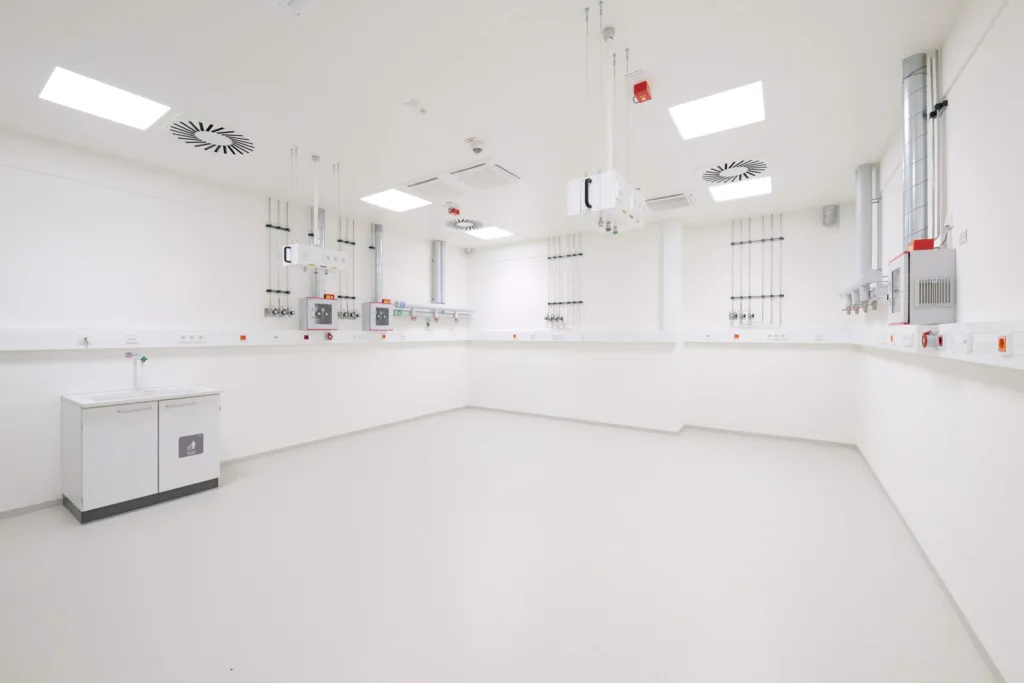


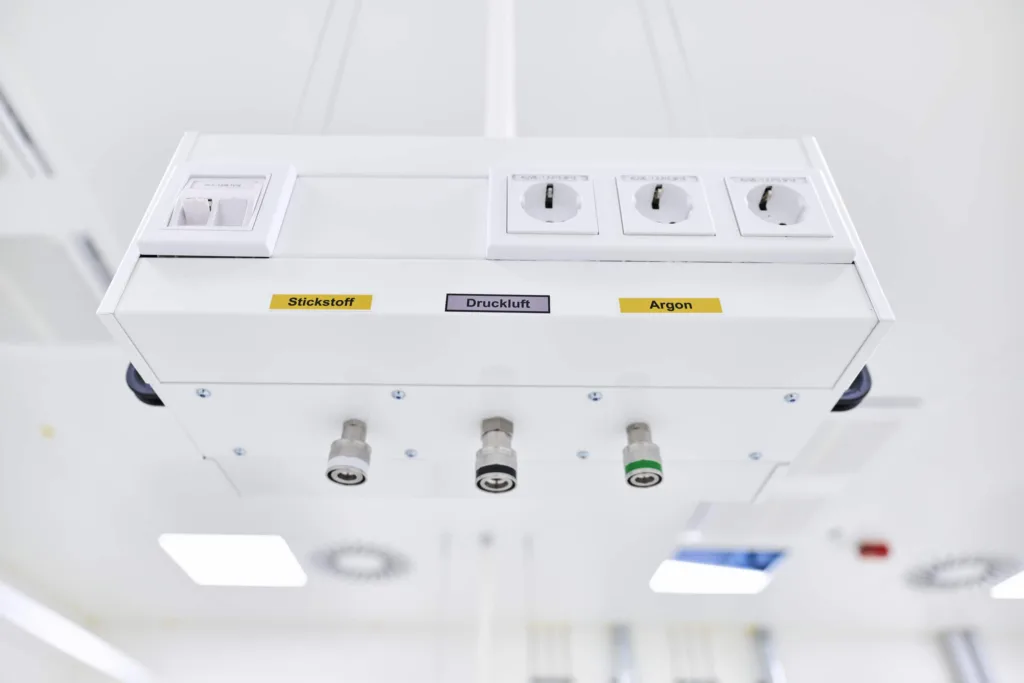
Innovation Center Ulm
A uniquely diverse ecosystem for quantum computing
There are many ways to implement qubits technically – and it is not yet clear which approach, or rather which approaches, will prevail. At our Innovation Centre in Ulm, we are therefore focusing on technological diversity in the development of hardware and enabling technologies, and on fostering a rich ecosystem for application development.
With just under 3,000 square metres of laboratories, workshops and offices, we support quantum start-ups on their path to becoming scale-ups and provide state-of-the-art, high-performance infrastructure for internationally competitive, independent quantum computing.
Our location
11
Hardware projects from start-ups, industry and DLR research
8
Industry partners for hardware, software and applications
2,960 m²
Infrastructure for our industry partners and research projects
480 m²
Shared use of cleanrooms at the University of Ulm, comprising 400 m² ISO 5 and 80 m² AVT ISO 6
Pilot Line
100 & 150 mm process chain for Si · III/V · diamond using e-beam, ALD and ALE
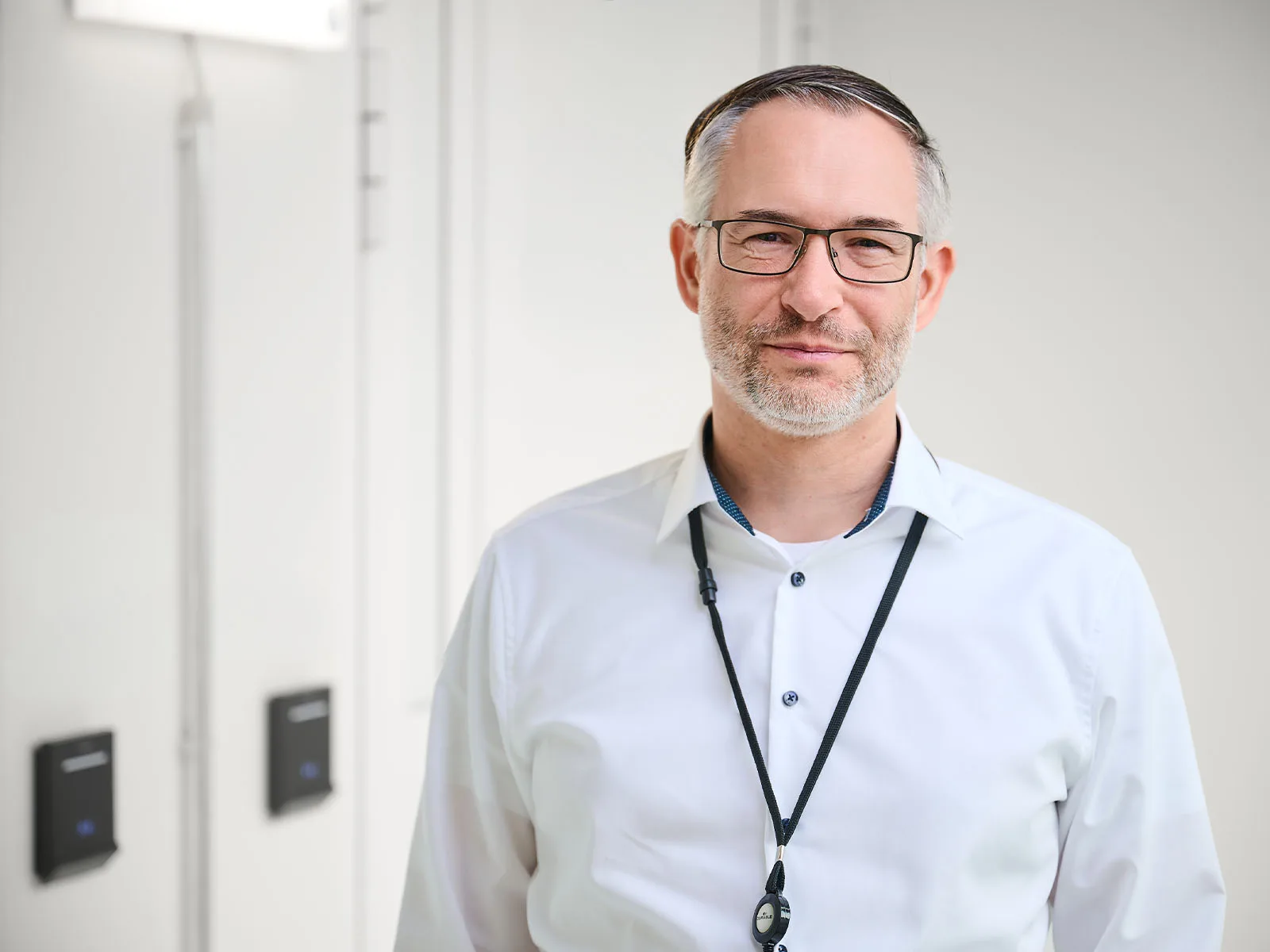
“We now have a pretty good idea of what quantum start-ups need.”

As manager of the Ulm Innovation Centre, Kathrin Höppner answers all enquiries regarding infrastructure and opportunities for collaboration at the Ulm site.
Contact
Our environmental footprint
10
Hardware projects from start-ups, industry and DLR research
8
Industry partners for hardware, software and applications
2,960 m²
Infrastructure for our industry partners and research projects:
480 m²
Shared use of cleanrooms at the University of Ulm, comprising 400 m² ISO 5 and 80 m² AVT ISO 6
Pilot Line
100 & 150 mm process chain for Si · III/V · diamond, including a process chain for E-beam · ALD · ALE
Projects at the Ulm Innovation Centre


Our industry partners


News
Alain Pierrot: “Wer eine Rakete gestartet hat, sollte sie auch weiter betreiben”
Wie das Motherboard bei Computern verbindet das Innovationszentrum Hamburg (IZHH) als zentraler Knotenpunkt alle anderen Akteure. Von der Entwicklung bis zum Betrieb…

Q2Fly
We develop simulation and design methods for high-performance, long-lasting fuel cell systems. In doing so, we are paving the way for hydrogen-based…
HAPEQS
We develop algorithms that enable complex calculations for industry and research. This allows for greater precision in a range of simulations, from…

November workshop: Quantum Processors for Reinforcement Learning
Gain an insight into the latest findings from the QML project QLearning. Find out which hybrid and quantum-based agents can be used…


